
WHAT IS BREASTFEEDING?
■Breastfeeding is one of the most effective ways to ensure child health and survival. However, nearly 2 out of 3 infants are not exclusively breastfed for the recommended 6 months—a rate that has not improved in 2 decades.
■Breastmilk is the ideal food for infants. It is safe, clean and contains antibodies which help protect against many common childhood illnesses.
■Breastmilk provides all the energy and nutrients that the infant needs for the first months of life, and it continues to provide up to half or more of a child’s nutritional needs during the second half of the first year, and up to one third during the second year of life.
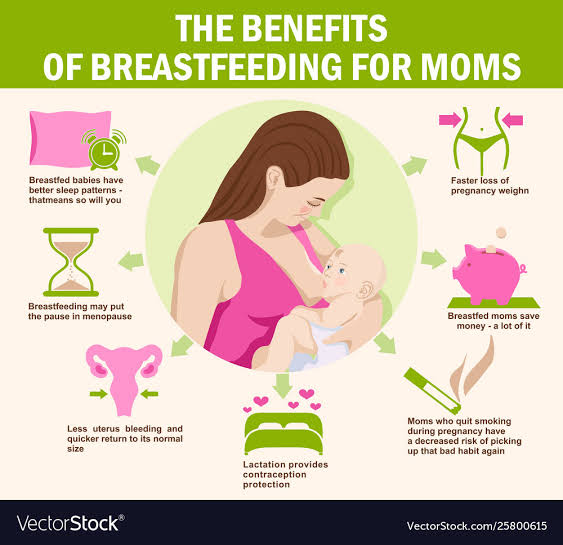
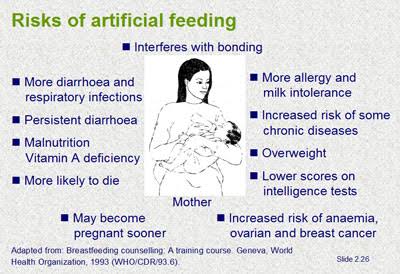
■Breastfed children perform better on intelligence tests, are less likely to be overweight or obese and less prone to diabetes later in life. Women who breastfeed also have a reduced risk of breast and ovarian cancers.
■Inappropriate marketing of breast-milk substitutes continues to undermine efforts to improve breastfeeding rates and duration worldwide.
RECOMMENDATIONS:
■WHO and UNICEF recommend that children initiate breastfeeding within the first hour of birth and be exclusively breastfed for the first 6 months of life – meaning no other foods or liquids are provided, including water.
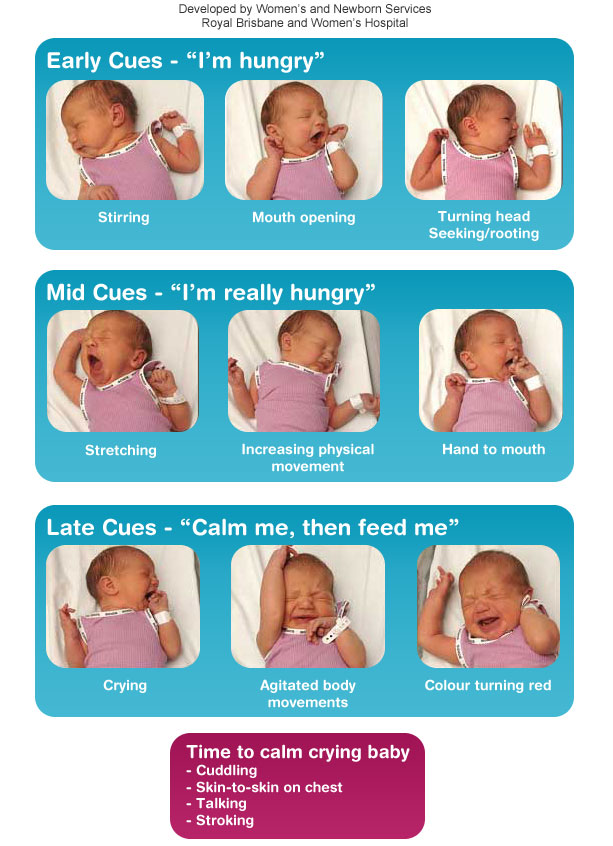
■ Infants should be breastfed on demand – that is as often as the child wants, day and night. No bottles, teats or pacifiers should be used.
■ From the age of 6 months, children should begin eating safe and adequate complementary foods while continuing to breastfeed for up to 2 years and beyond.


 Dr. Russelle Jay blogs...